
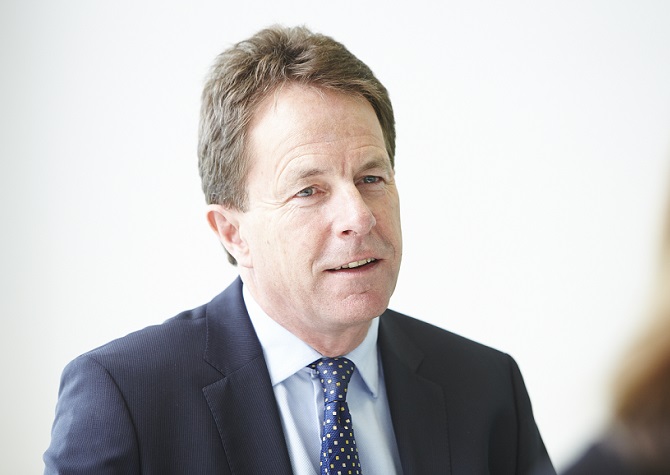
A view from the private sector
The COVID-19 pandemic is putting public sector leaders under unprecedented pressure with many businesses fighting for survival. The UK economy in common with countries around the world is losing billions of pounds a day, and many commentators forecast the financial fallout from this crisis will be much worse than any other crisis we have seen since the Great Depression of early part of the last century.
Leadership is the loneliest job
Many leaders will have had to make some very tough calls in order to stay afloat, at the same time as carrying the weight of their employees’ livelihoods on their shoulders. They will be making far-reaching decisions at a speed and on a scale they have never before experienced, often with limited evidence and analysis. There are the huge challenges of weighing up short term expediency in reducing costs and adapting to sustain customers and revenue streams, with longer term need to preserve resources and be positioned for the post-crisis recovery, whatever form that takes. They will need to be balancing financial and legal perspectives, understanding many different Government support schemes, as well as what the right calls are from a moral and ethical perspective. And they must consider all their stakeholders, not only the financial owners or shareholders, but critically also their own workforces, their customers, suppliers, and even the communities of which they are part of. Sustaining businesses through the crisis is not just about financial stability, but also about doing the right things that will preserve or even enhance trust and reputation.
At the same time, more than ever, leaders are seeing the need to communicate openly and regularly with their organisations. They need to show resilience and positivity even whilst they themselves may be feeling anxious and overwhelmed. This crisis is extremely demanding of leaders everywhere, and many could find their health and well-being coming under severe strain.
Supporting wellbeing for others and wellbeing for ourselves
The enforced lock downs and huge changes to peoples lives will have greatly increased the risk of stress and mental health issues that come from uncertainty and anxiety, from concerns of financial insecurity, from enforced social isolation, and the additional stresses for many of managing work alongside many other demands on them at home. The actions taken now to place a holistic health and well-being approach at the heart of your organisations response will help to determine how your organisation emerges from the crisis.
The CIPDs Health and Wellbeing at Work 2020 report completed earlier in the year and sponsored by Simplyhealth, found that 61 per cent of HR professionals believe senior leaders have bought into the importance of well-being. More recent polling we conducted with People Management magazine since the start of the crisis found that one of the most common challenge for employers (67 per cent) during this time is people’s fear and anxiety about the situation and supporting staff with their mental health and well-being. These are positive findings, and the crisis will certainly reinforce the importance of people and their wellbeing as being at the heart of good and responsible business.
It is equally important however, that senior leaders give themselves the same consideration by being open about their own challenges, and accessing available health and well-being resources. It’s a sign of strength and not weakness to recognise when you need extra support, and it helps ‘give permission’ for others throughout the organisation to open up as well. We all need to practise good self-care to help maintain healthy well-being. Our physical and mental health are inextricably linked, and so it’s essential to eat and sleep well, and find the time to switch off and relax.
We still see leaders feeling like they need to live up to the image of being robust, that health and well-being isn’t something they have the time or need for. But this image is misplaced. Now more than ever they need to recognise we are all only human, and that investing in our own well-being is a business imperative. Acknowledging this fact will help pull us all through this crisis, and ensure we are best able to lead and make the right decisions and judgements for our people and our businesses now and for the longer term.
Peter Cheese – Chief Executive, Chartered Institute of Professional Development