
Becoming an arm’s-length body chair
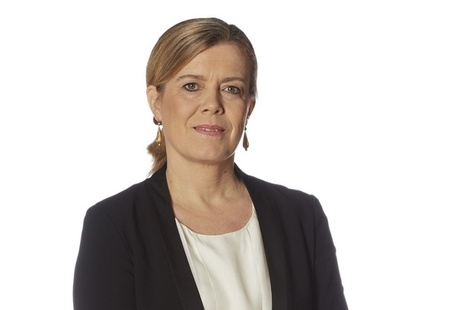
A blog written by Caroline Corby, Chair of the Parole Board, Chair of the Professional Standards Authority, and PCF Management Committee Member
A little unusually, when I first became a chair of a national Arms Length Body (ALB), I hadn’t applied for the role. At the time I was a non-executive member of the Parole Board’s Management Committee (the equivalent of the board) when the then chair, Professor Nick Hardwick CBE, suddenly left.
The Parole Board is responsible for deciding whether the most serious and complex prisoners in England and Wales are safe to be released into the community once their period of punishment has been served. Each year the Parole Board deals with around 16,000 referrals and it releases around 4,000 prisoners. Public protection is the Parole Board’s primary consideration and it has a serious re-offending rate of less than 0.5%, which compares favourably with other paroling authorities around the world. However, notwithstanding this strong record on public protection, given the nature of the Parole Board’s remit, several times a year the organisation attracts a great deal of media attention.
In early 2018, the Parole Board decided to release Mr Worboys (sometimes known as the Black Cab Rapist). Mr Worboys is a sex offender who was convicted in 2009 for attacks on 12 women. However, the police are on record as saying that he may have committed offences against over 100 women.
Following the announcement of the Parole Board’s decision, there was a national and political outcry, including questions in Parliament. Some of Mr Worboys’ victims crowd-funded a judicial review of the decision. In April 2018, the High Court overturned the release decision – the first time that this had happened in the Parole Board’s fifty-year history. It was a seismic day for the organisation and in short order the chair left.
I was telephoned two days later, just as I was about to fly to America for a family holiday. The Secretary of State asked me to take on the role of interim chair. I was not expecting this call and, in all honesty, it was a daunting role to take on at that time, but I felt a loyalty to the organisation and so I agreed to do it.
When I became interim chair of the Parole Board I had a several advantages. I had the support of my Management Committee colleagues and I liked and respected the Executive Team who had just been through a battering period. I also cared deeply about the work of the Parole Board and I had a strong sense of the changes that we needed to make. But there was also a lot I didn’t know. My previous career had been in the private sector working as a venture capitalist. Navigating the Civil Service, SPADs, the Department and working with Ministers were all new to me. Lots of things I learned through trial and error – including dealing with the media, responding to policy proposals (what you can and can’t say both in public and private), how to prepare for select committees, understanding the role and responsibilities of the Accounting Officer, stakeholder work and how to rebuild public trust in an organisation. I was also unprepared for the public nature of the role. For example, I was the subject of Radio 4’s Profile programme – a 15 minute slot broadcast four times over two days, which is supposed to give ‘an insight into the character of an influential figure making the news headlines’. It was quite disconcerting to have journalists ring up my family, friends and former colleagues, digging for titbits about me, when up until that point I had lived a private life.
Although there were challenges, I found the role of chair of a public body to be hugely rewarding and I was delighted to be appointed to the permanent Parole Board chair role in November 2018. I have since taken on a number of other public appointments including being chair of the Professional Standards Authority, an ALB responsible for overseeing the professional regulation of all healthcare workers in the UK and social workers in England.
Over the years I have found the support of the PCF and fellow chair colleagues to be very helpful. Sharing and learning from other chairs who are going through media maelstroms, or are preparing for select committees or thinking about how to become greener has been invaluable. When I became a chair for the first time, I felt there was nothing aimed specifically at addressing the steep learning curve that many new chairs go through. PCF’s new masterclass series for public body chairs aims to address this gap. I’m looking forward to leading a session on stakeholder relationships and would encourage new chairs to make good use of the resource available to them at the PCF.
PCF has partnered with the Institute for Government to launch a new series of masterclasses for public body chairs. The course will consist of four masterclasses, offered free of charge, led by policy and governance experts within the IfG, and experienced public body chairs within PCF.
Caroline will lead the third session in this series, focusing on building and maintaining effective stakeholder relationships. New public body chairs, appointed in 2021 or 2022, are invited to register their place on the series by 19 August. To find out more, email secretariat@publicchairsforum.org.uk
Contact the Secretariat
Lastest News
News Article 1
News Article 2
News Article 3
News Article 4
News Article 5
News Article 6
Navigation
About
Publications & Resources
News
Events
Membership
Contact
Copyright © 2020 Public Chairs Forum | Website by Polar Creative | Terms & Conditions | Privacy Policy | Site Map